 EN
EN


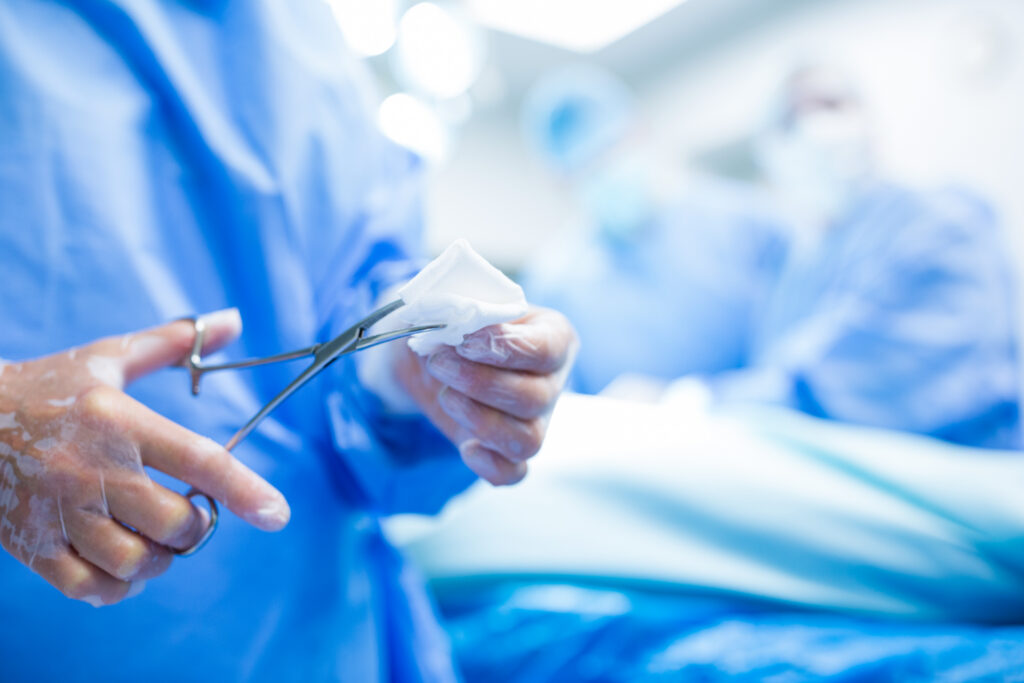
Nonabsorbable Suture: Durable and Reliable Wound Closure Solutions
Nonabsorbable sutures are widely used in surgical procedures that require long-term or permanent tissue support. Unlike absorbable sutures, these sutures are not broken down by the body and must be removed after healing or remain permanently implanted, depending on the clinical application.
What Is a Nonabsorbable Suture?
A nonabsorbable suture is a type of surgical thread made from materials that are resistant to biological degradation. These sutures maintain their tensile strength over time, making them ideal for procedures where prolonged wound support is essential.
Common Materials Used in Nonabsorbable Sutures
Nonabsorbable sutures are available in both natural and synthetic materials:
- Silk – Excellent handling and knot security
- Nylon (Polyamide) – High tensile strength and low tissue reactivity
- Polypropylene (PP) – Superior flexibility and long-term durability
- Polyester – Strong and reliable for cardiovascular and orthopedic use
- Stainless Steel – Maximum strength for specialized surgical procedures
Each material is selected based on the required strength, flexibility, and tissue compatibility.
Advantages of Nonabsorbable Sutures
- Long-lasting tensile strength
- Minimal risk of premature suture breakdown
- Ideal for external skin closure and high-tension wounds
- Suitable for cardiovascular, orthopedic, and neurological surgeries
These advantages make nonabsorbable sutures a preferred choice in critical surgical applications.
Clinical Applications of Nonabsorbable Sutures
Nonabsorbable sutures are commonly used in:
- Skin closure and trauma repair
- Cardiovascular and vascular surgery
- Orthopedic and tendon repair
- Ophthalmic and neurosurgical procedures
The choice of suture depends on tissue type, healing duration, and surgical technique.
Choosing the Right Nonabsorbable Suture
Key factors to consider include:
- Required tensile strength
- Knot security
- Tissue reactivity
- Handling characteristics
High-quality nonabsorbable sutures contribute to improved wound stability and surgical outcomes.
Conclusion
Nonabsorbable sutures offer reliable, long-term wound support across a wide range of surgical disciplines. With various materials and structures available, they remain an essential component of modern surgical practice.